Computer-Vision Based Quality Control
A real-time computer vision system for automated quality inspection in packaging lines
Overview
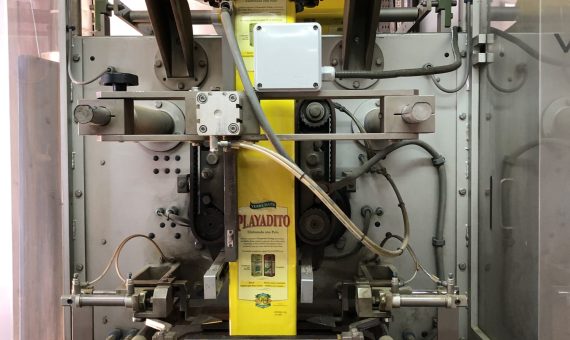
Using cameras and real-time image analysis, this system inspects each package during production to detect surface defects, misaligned labels, and visual anomalies.
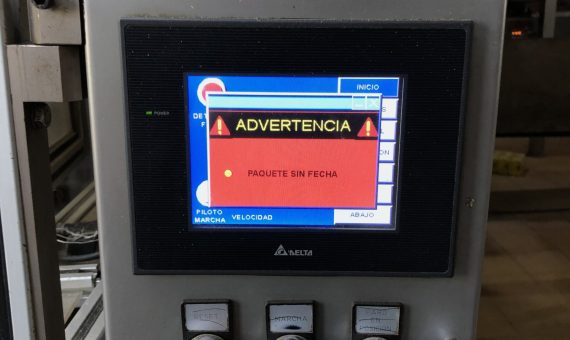
When an abnormal condition is detected, the system communicates directly with the machine’s PLC to stop the production line, preventing defective products from continuing downstream and eliminating rework delays.
This solution improves inspection consistency, reduces human error, and enables faster quality assurance in manufacturing environments.
Problem
The packaging line relied on manual visual inspection by operators. At a production rate of 25 packages per minute per machine, errors could go unnoticed for several minutes due to speed and repetition.
When issues were detected late, operators had to empty and disassemble batches of packages and repack them, which created major production delays.
This caused:
Production downtime
Material waste
Loss of efficiency
Delayed detection of quality issues
My Role
I designed and implemented the complete computer vision–based quality control system, covering both software and hardware aspects.
My responsibilities included:
System architecture and hardware selection
Camera integration
Real-time image processing and defect detection logic
Communication with the machine PLC
Remote monitoring and control over the network
Technical Implementation
- Real-time image acquisition using IP cameras mounted on the packaging line
Image processing algorithms developed in Python using OpenCV
Detection of visual anomalies such as:
Package surface defects
Misaligned or incorrect packaging
PLC integration to immediately stop the machine and alert the operator when defects are detected
Web integration for efficiency analytics
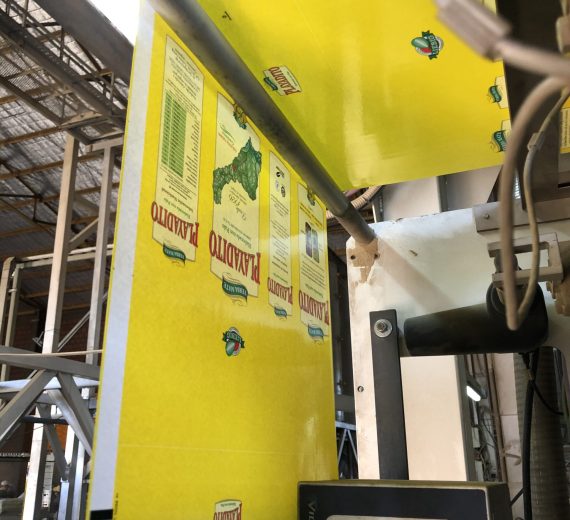
Live inspection in operation during production.
Dashboard & Traceability
A lightweight web dashboard was implemented to provide visibility into inspection performance and recurring issues. It included:
A history of detected errors
Timestamped events (date + time) for each detection
A simple traceability log to support troubleshooting and continuous improvement
Impact
By stopping the line as soon as defects appeared, the system prevented defective batches from accumulating. This avoided the most costly scenario: operators discovering issues late and having to disassemble and repackage large amounts of product, which significantly delayed production.